Read the system before making the recommendation
Federal program risk does not live in one spreadsheet cell. It sits across grant terms, renewal evidence, institutional capacity, public money, and the students a program is meant to serve.
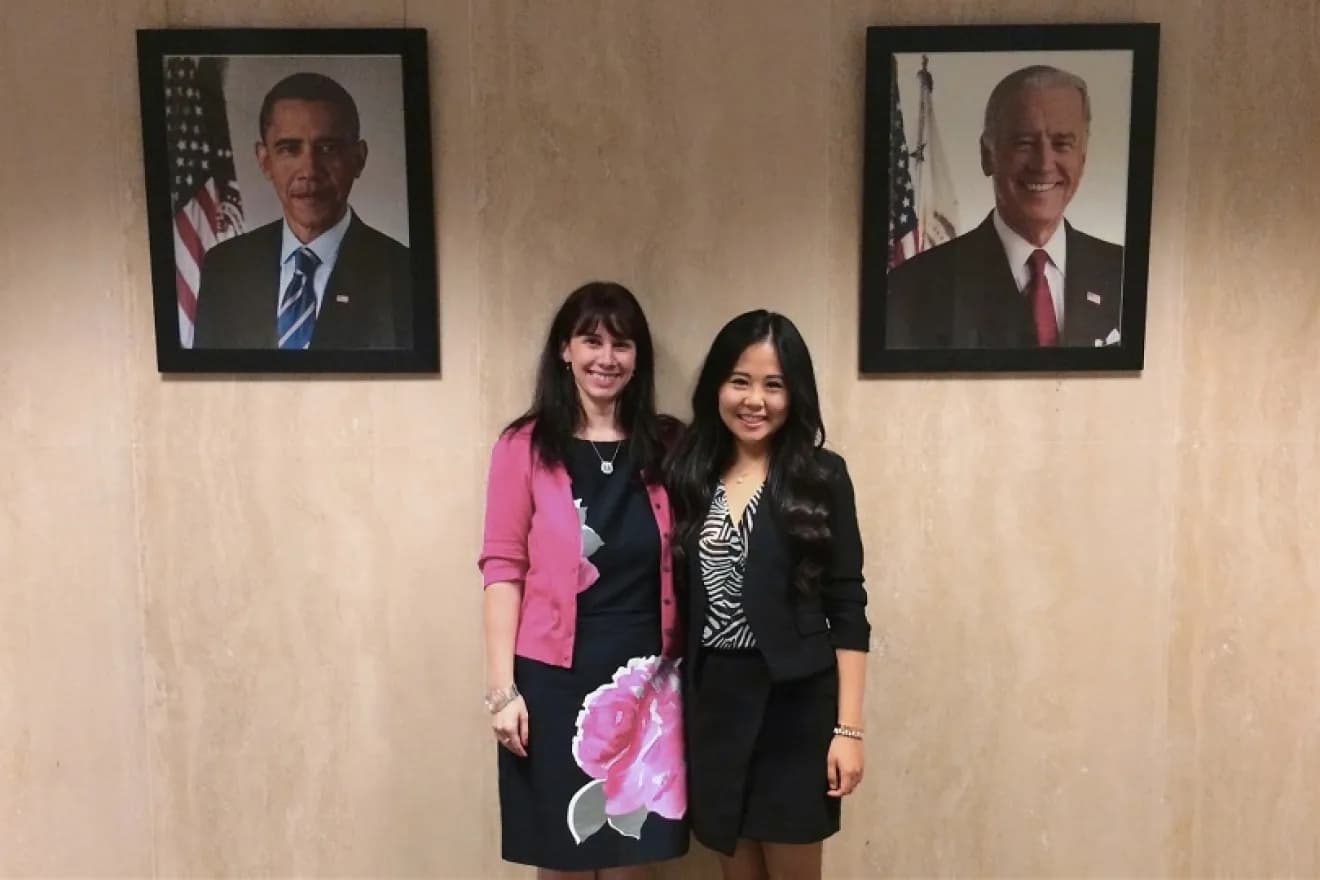
Inside the Office of the Assistant Deputy Secretary, I reviewed federal grants and renewals across higher-education programs totaling $72 million and reaching 65% of U.S. enrollment. At that scale, a clean-looking score can conceal more than it clarifies.
Separate evidence from confidence
The practical task was to make each recommendation traceable: what the record established, what remained uncertain, how much exposure sat behind the uncertainty, and which new evidence should change the decision.
That distinction matters in public systems. A polished recommendation can hide weak evidence; a careful risk register keeps the reasoning available to the next reviewer.
Make the reasoning last
The result was a clearer account of institutional risk: what could fail, where the exposure sat, and how to make a consequential decision reviewable rather than merely persuasive. In public systems, the reasoning has to outlast the person presenting it.

Related items
U.S. Department of Education: Higher Education - learn more about the Department's higher-education work.
Rocky and Me: Daria Zhao '17 Senior Reflection - a reflection on the Rockefeller Center experiences that included the First-Year Fellows program.
First-Year Fellow Mentor: Lauren Kennedy '02 - a Rockefeller Center profile of my U.S. Department of Education mentor and sponsor.
Introducing the Class of 2017 First-Year Fellows - fellowship cohort announcement from the Nelson A. Rockefeller Center for Public Policy.