Publish while conditions are changing
COVID-19 school closures created the same questions in thousands of places at once: how to run an accessible virtual class, distribute devices, hold an IEP meeting, monitor progress, support grief, and help families build a workable day at home.
Within the first 90 days, a five-educator crisis-response team assembled 100 practical resources. They reached 1,000 school districts, state departments of education, and Teach For America.
Build a publishing system, not a content pile
Speed made selection more important, not less. We listened for questions repeating across the field, distinguished urgent patterns from local exceptions, found practitioners with credible answers, and turned those answers into something another school could use immediately.
The toolkit was organized around what educators and families were trying to do—not the internal structure of the institutions publishing it. Accessibility, instruction, student support, family engagement, and planning became the parts list.
The collection covered virtual IEP meetings, device and broadband access, student engagement, special education, checks for understanding, family routines, grief and loss, and the first return to school.
Let the field revise the system
The immediate toolkit answered recurring questions. The next phase asked what existing improvement methods could still see after classrooms moved online - and what those methods now missed.
The reporting began with practitioners: improvement advisors, special-education leaders, teachers, and school teams describing what happened when familiar methods met unfamiliar conditions. Classroom observation moved into Zoom. Whiteboards became shared documents. Site visits still had to preserve trust and specificity, even when no one shared a room.
Follow the test of change
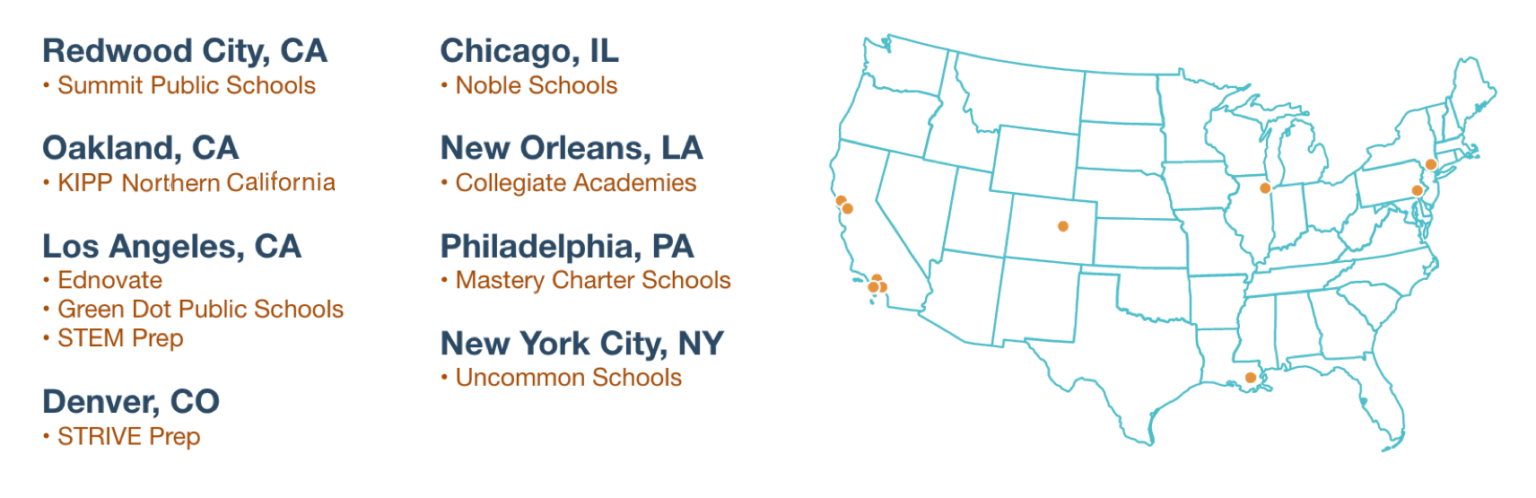
At STRIVE Prep, a Plan-Do-Study-Act cycle exposed the limits of an observation rubric built for a physical classroom. It could not see private chat, breakout rooms, or materials that had not been shared in advance. The team revised the observation itself - adding coordination before class, access during class, and reflection afterward.
At Collegiate Academies, a virtual site visit replaced physical whiteboarding with process mapping. The tool mattered less than the operating question: could a distributed group still build shared understanding, surface teacher experience, and make a next decision together?
The strongest systems were not the ones that preserved the old process most faithfully. They were the ones that could name what the new environment hid, test a change, and invite more voices into the next cycle. The toolkit records an emergency response and selected field accounts rather than a claim that every resource worked in every district or that one practice could be separated from local conditions.
Public artifacts
COVID-19 Educator Toolkit - the live collection of tools, tips, and resources assembled during the immediate response.
Marshall Street Resources - the wider library of tools and resources for educators and school leaders.
Networked Improvement Community - more detail on the focus schools' continuous-improvement work.
Marshall Street on Medium - field notes and stories from the work.
Learning in the Unknown - reporting with improvement advisor Paula Espinoza on virtual classroom observation at STRIVE Prep.
No Whiteboard? No Problem! - reporting with improvement advisors Stephanie Lassalle and Giovanna Santimauro on Collegiate Academies' virtual site visit.