What should endure when the tools do not?
In 2012, my four-year-old niece was learning Mandarin and English. When her parents asked which language should come next, I joked: “C++.” By thirteen, she had learned Python, Java, and JavaScript. She looked prepared for the future. But for which future?
The World Economic Forum estimated that 65% of children entering primary school would eventually work in jobs that did not yet exist. We cannot choose the perfect tool for a job we cannot name. We can give young people a foundation that travels: critical thinking, collaboration, creativity, communication, empathy, and the confidence to keep learning.
Move from consuming to making
For Autodesk's launch to the youth market, I turned that argument into an ISTE21 virtual keynote and the Learn Lab essay “Machines Are Getting Smarter, but the Most Important Intelligence Isn’t Artificial.” The point was not to dismiss technical skill. Technical skill matters most when it expands what a young person believes they can change.
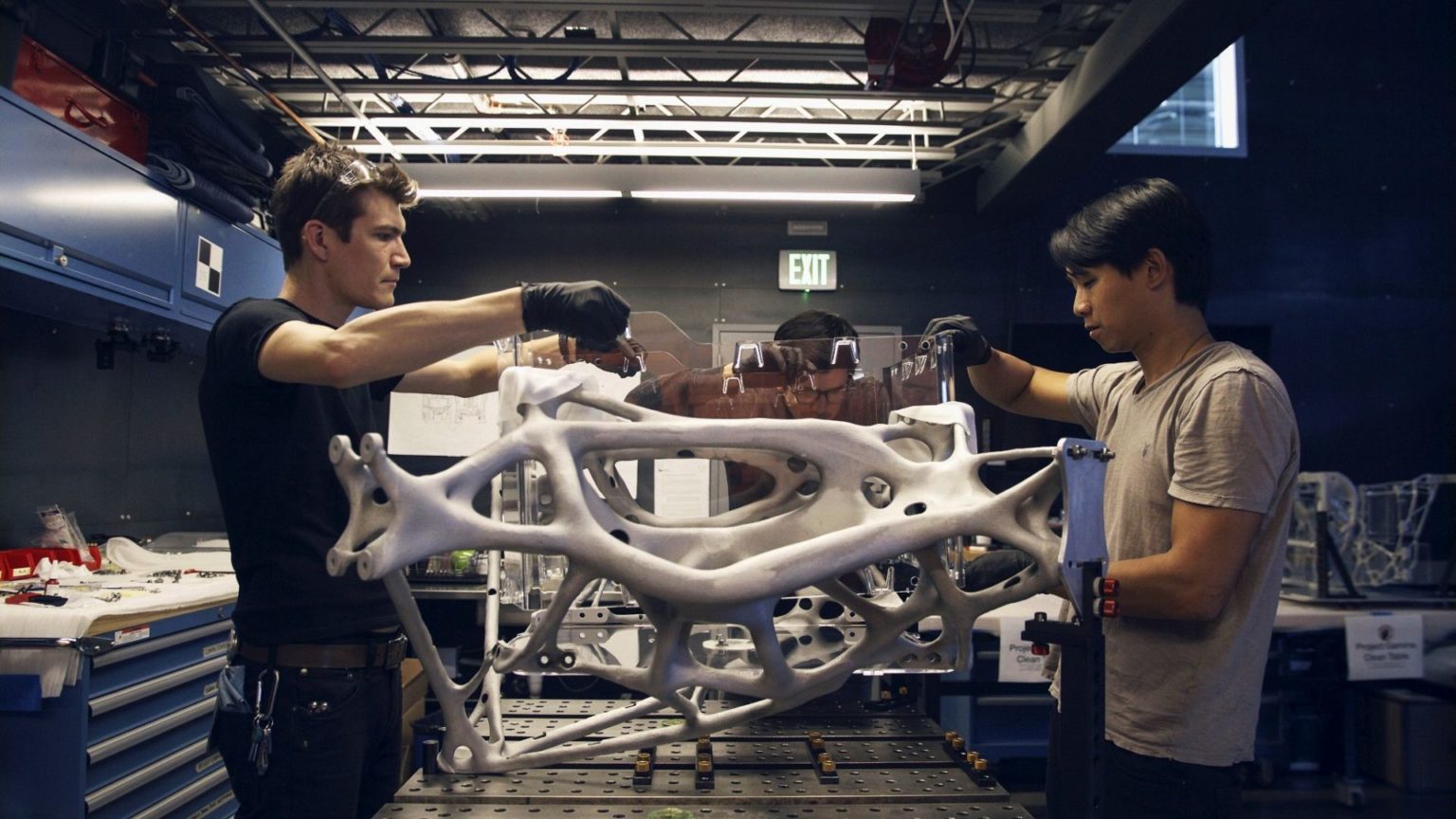
Making gives that belief physical evidence. A model, circuit, or 3D-printed object begins as an idea, meets constraints, and becomes something a student can hold. We stop being passive consumers of the world and begin to see ourselves as people who can shape it.
Build a pathway, not a prediction
Tinkercad can be a first step; Project Lead The Way, Fusion 360, and F1 in Schools can meet students later as interests turn into possible careers. The durable outcome is not fluency in one application. It is the habit of turning ideas into experiments—and the judgment to decide which ideas are worth building.
What my niece remembers is not a list of programming languages. She remembers the first object she designed and held, teachers who made invention feel possible, and ideas she has brought to life. That is the intelligence we need to keep developing.
Public artifact
Machines Are Getting Smarter, but the Most Important Intelligence Isn’t Artificial - the Autodesk Learn Lab essay behind the argument, also delivered as a virtual keynote at ISTE21.